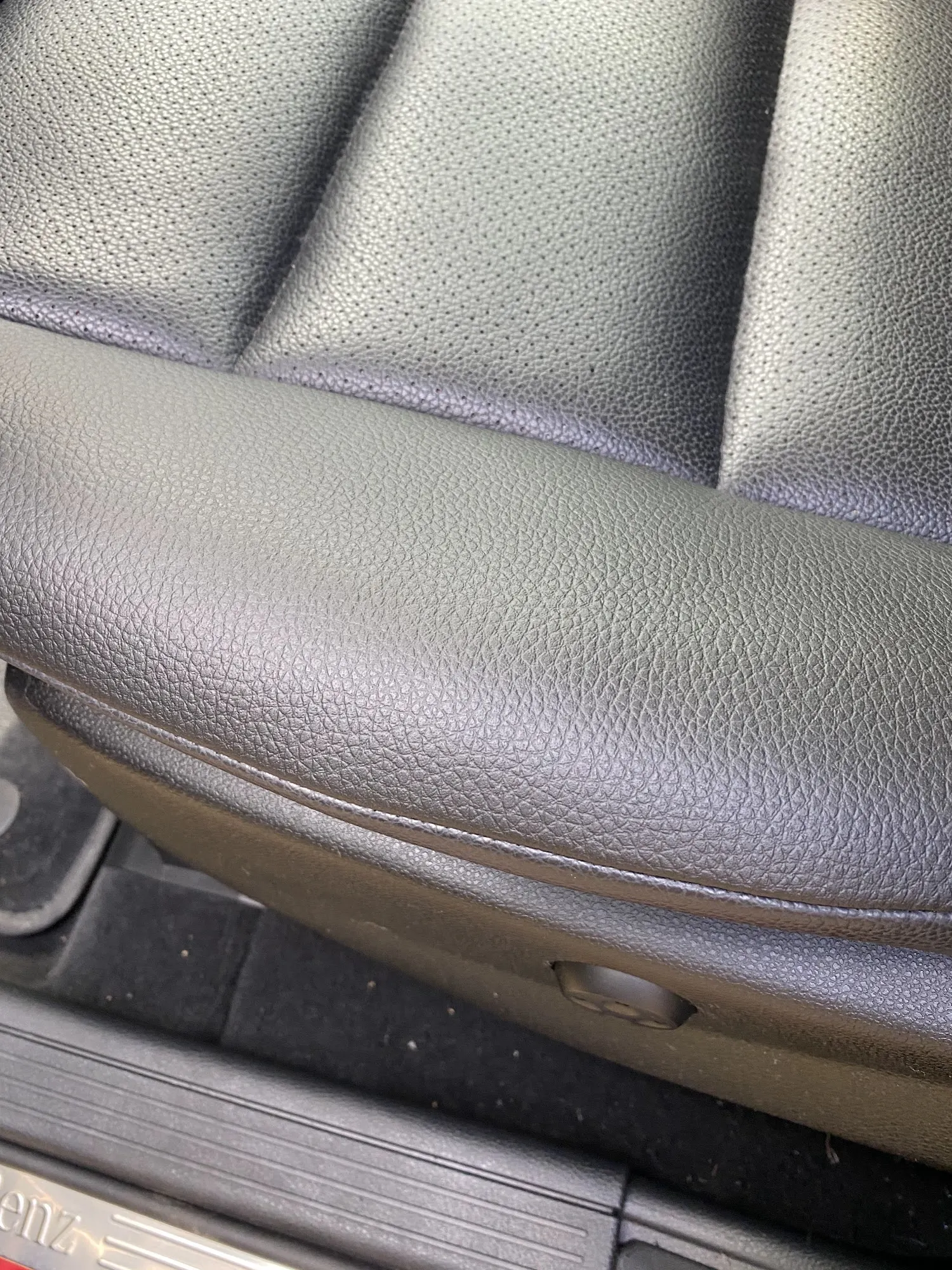
Seats are where an interior wears out first
Every time you slide in, the driver-side bolster takes the hit. Fabric thins, leather cracks along the seams, foam collapses and the seat starts to sag. A seat cover hides the problem for a while; a proper repair removes it.
Most seat damage doesn’t need a whole new seat. A single worn panel can be cut out and replaced with matching material, a burn can be patched so it disappears, and tired foam can be rebuilt so the seat holds its shape again. When a seat is past saving, it can be fully reupholstered.
What we repair
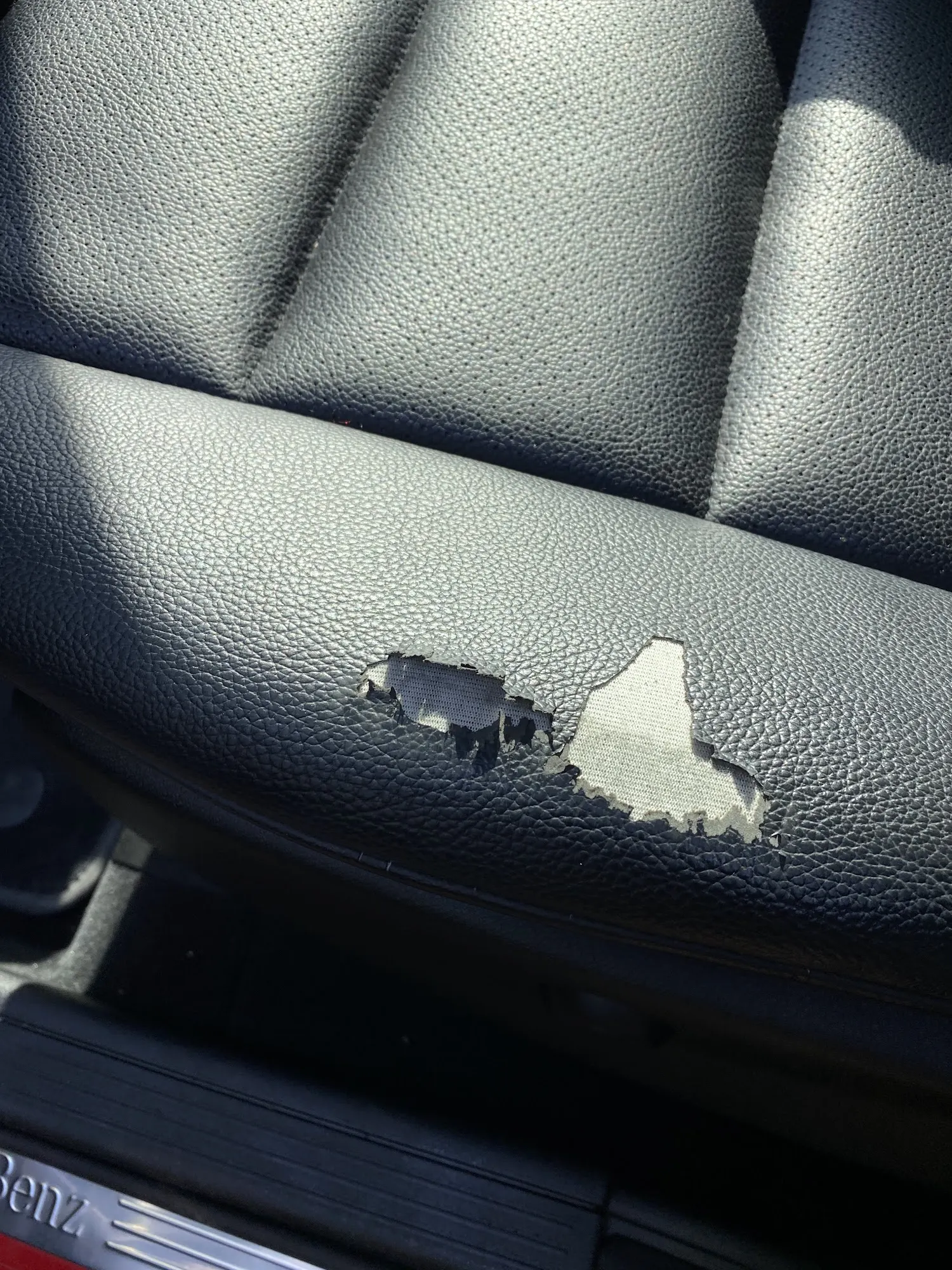
- Tears and split seams in cloth, vinyl and leather — the panel is replaced and re-stitched rather than glued.
- Cigarette burns and holes — repaired so they blend into the surrounding material.
- Worn driver-side bolsters — the most common job on trucks and daily drivers.
- Sagging or collapsed foam — rebuilt so the seat supports you again.
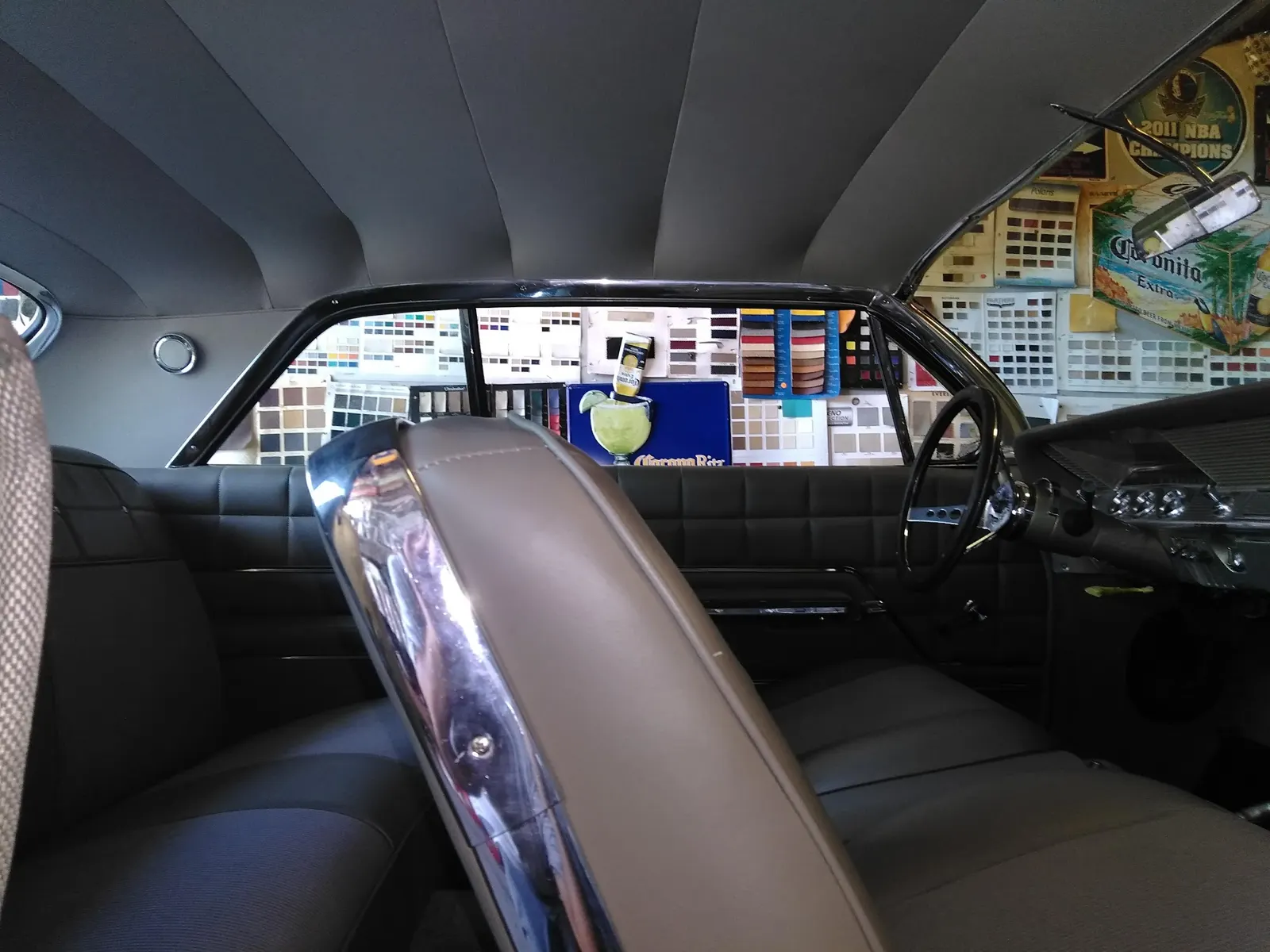
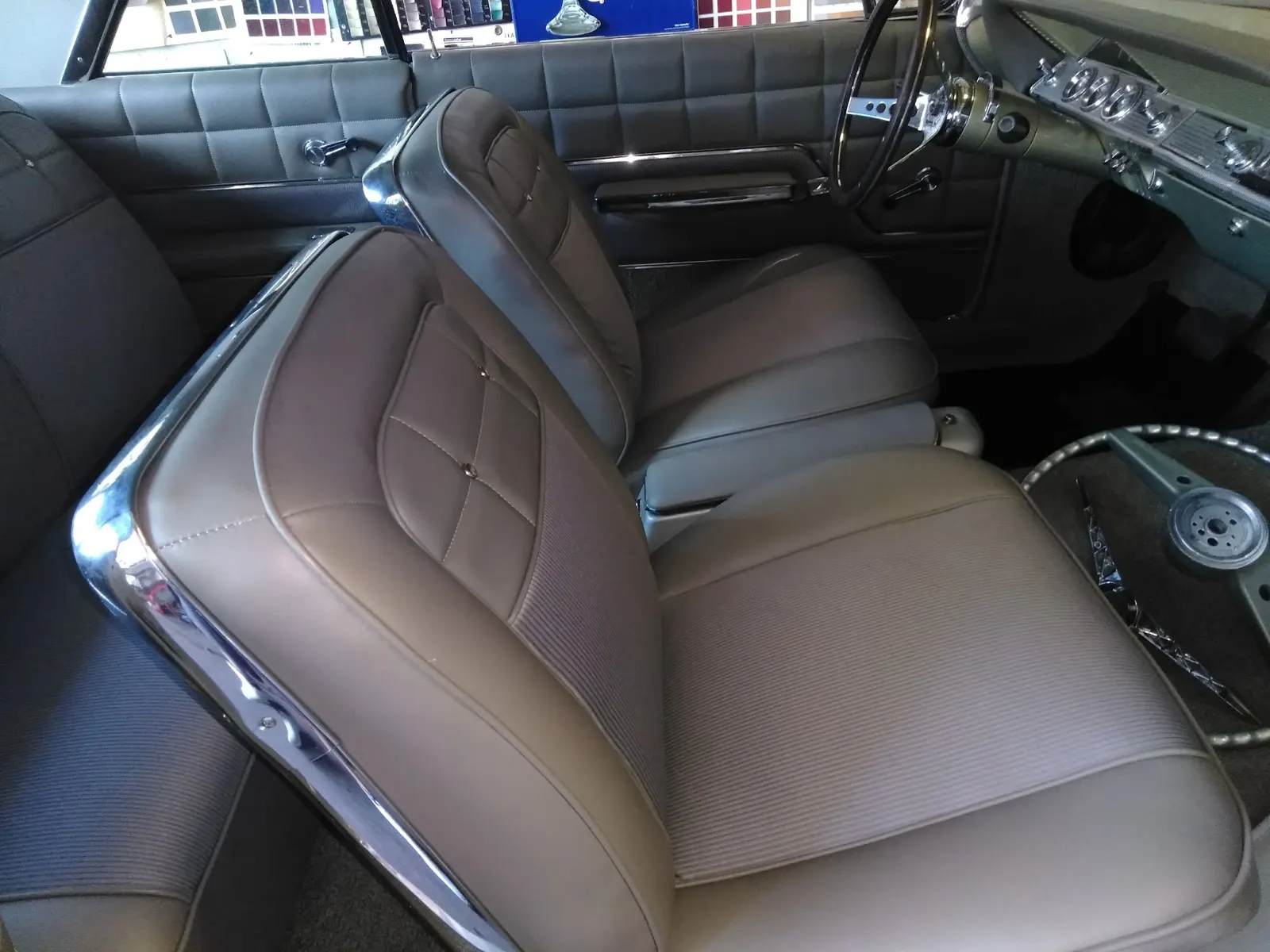
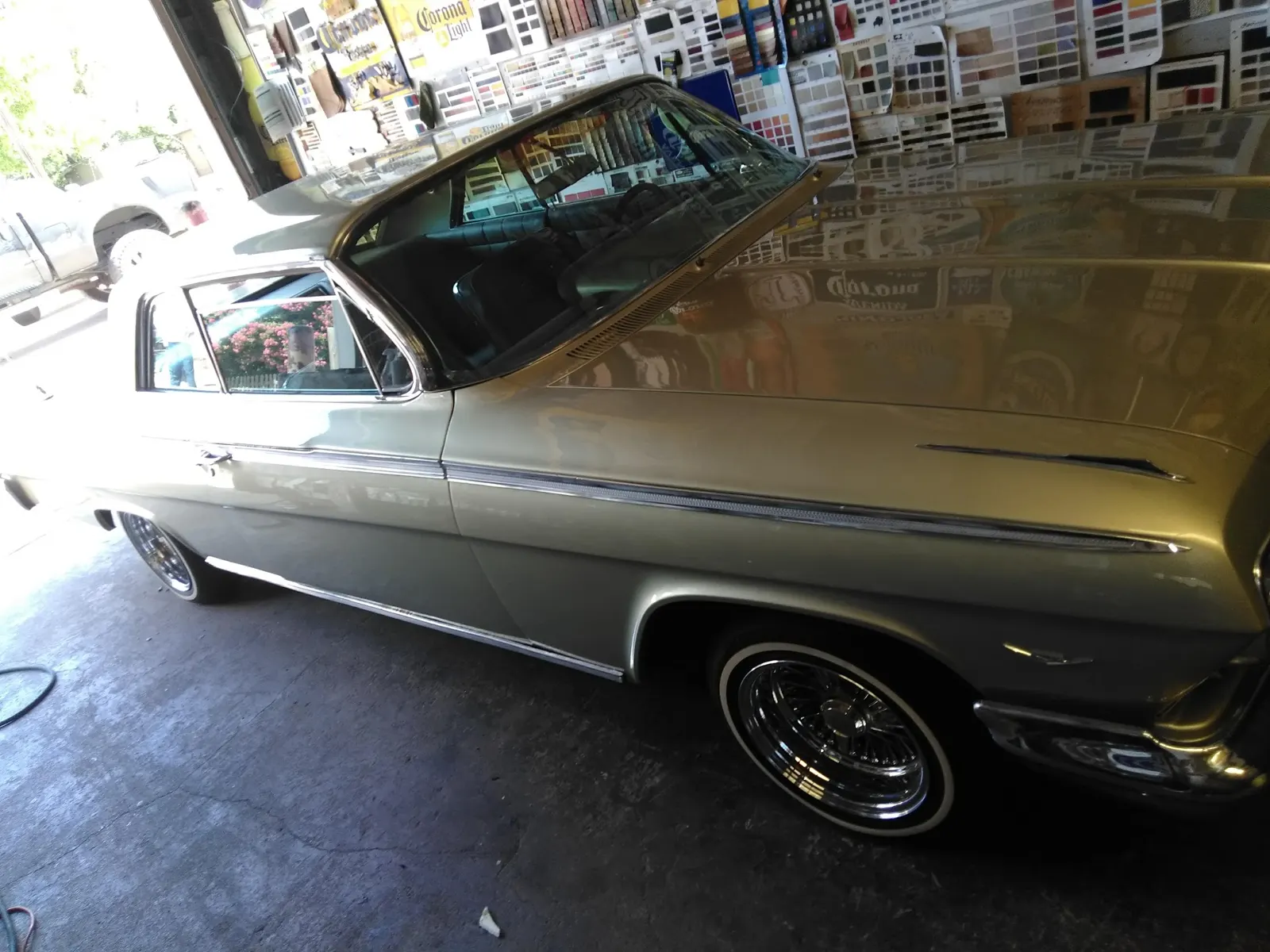
- Full reupholstery — new covers for one seat or the whole interior, including classic bench seats.
How a seat repair works
- Look at the damageBring the car by or send photos on WhatsApp. You get an honest read on whether a repair or a new cover makes more sense.
- Match the materialFabric, vinyl or leather is matched in colour and texture to the rest of the seat.
- Strip and rebuildThe cover comes off, the damaged panel is cut out and replaced, and the foam is repaired if it needs it.
- Stitch and refitNew seams are sewn to follow the factory lines, and the seat goes back in tight.
What affects the price and timing
The size of the damage, the material and whether the seat has to come out of the vehicle all change the job. Customers regularly mention single-seat repairs finished the same day; full reupholstery takes longer. You get a price before any work starts.